IMPORTANT : ALL CONTENT OF THIS WEBSITE IS RIGHT KENT TATTOO STUDIO AS IS . CONTACT PHONE NUMBER 082216630321 IS KENT PRIVATE NUMBER









TATTOO SYMBOL
LOVE KANJI TATTOO
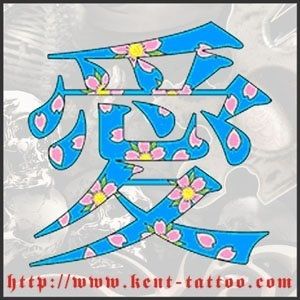
Love Kanji Tattoo - Kanji is the oldest of three writing systems used in Japan today and it is ultimately the most complex. Kanji characters are borrowed from Chinese and like Chinese they do not represent an alphabet. Instead, the complicated forms for each kanji character are small, self-contained, pictorial images, just as in Egyptian hieroglyphs. Unlike Egyptian characters, however, kanji characters are composed of a number of different lines that are bounded within an imaginary square, where the lines are used to suggest objects or actions rather than represent them literally. More than just a system of writing, however, the practice of calligraphy raised the depiction of kanji to a high art. Early Japanese emperors and Zen priests mastered the flow of spontaneous yet constrained movements of the brush that created kanji writings that were admired not only for their aesthetic value but the spiritual effect that they induced in the mind of the reader. In tattoo symbolism, kanji characters are often done in this same spirit of artistic achievement, even going so far as to simulate brush strokes, and even brush strokes done in their traditional order. In our example, the outlines of the kanji character are used to frame another quintessentially Japanese tattoo symbol, the delicate cherry blossom. The choice of what to say with kanji characters runs the entire gamut from whole phrases to personal names or a single thought, such as our kanji here of “love.†When using kanji to spell a western name, using the phonetic equivalents associated with each kanji character, be aware that in Japan the writing system of katakana is specifically used for foreign words and names, not kanji. In fact, many different kanji may be available for any given particular western sound. The use of kanji for western names does, however, have two bonuses: first, it provides a less obvious alternative to the typical “name game†(getting a tattoo of the name of your significant other) and second, the pictorial meanings of kanji provide an opportunity to add a second layer of meaning to the phonetic spelling.